Thoughts on organizing my first event during San Francisco Tech Week
On bringing founders together, launching the Startup Risk Stack with Corgi, and why I believe in-person events should be a bigger part of building a company.
San Francisco Tech Week is one of those moments when the entire startup ecosystem seems to come alive. Founders, investors, operators, and builders come together to exchange ideas, build relationships, and explore what's next.
This year, I decided to be part of it in a slightly different way.
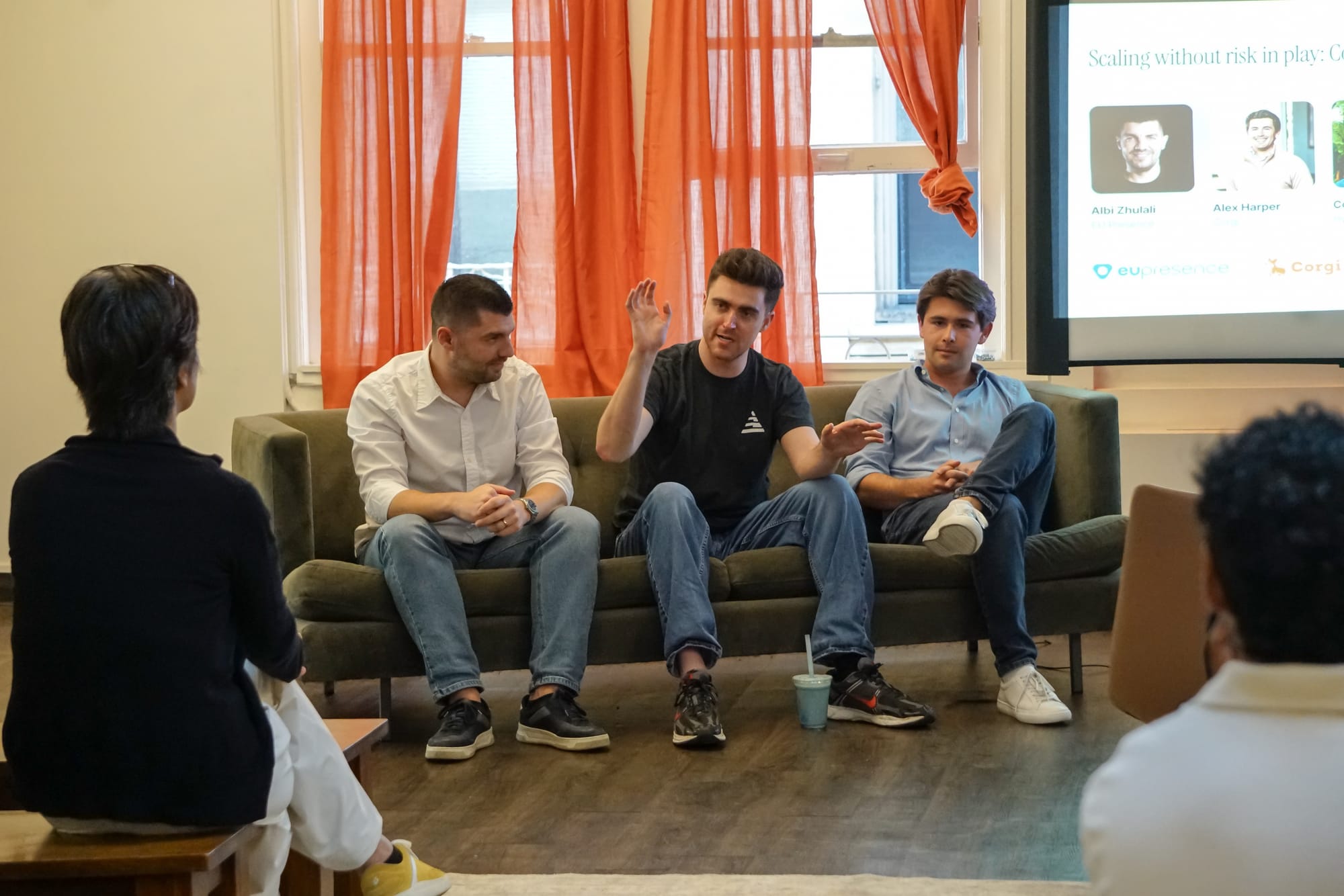
Together with Corgi, we organized an event titled Scaling Without "Risk" In Play: Compliance + Insurance for Startups. But the event was about more than bringing people together for a panel discussion. It was also the occasion when we introduced something we've been working on together: the Startup Risk Stack, a new category of startup infrastructure combining compliance and insurance.
Why San Francisco was the right place to have this conversation
The idea behind the event was also to create awareness around something I strongly believe in: the European market remains one of the biggest opportunities for technology companies.
With approximately 450 million consumers and talent pool, and an economy worth around $23 trillion, Europe is a market that global startups cannot afford to overlook.
Yet entering and operating in Europe comes with regulatory and operational complexity that many founders underestimate.
Compliance, insurance, and risk management are often treated as administrative headaches. I believe they should be viewed as part of the infrastructure that enables a company to grow.
That was the conversation we wanted to bring to San Francisco during Tech Week.
A panel with different perspectives
One of the most important decisions when organizing an event is choosing the people on the panel. The speakers can make or break the entire experience.
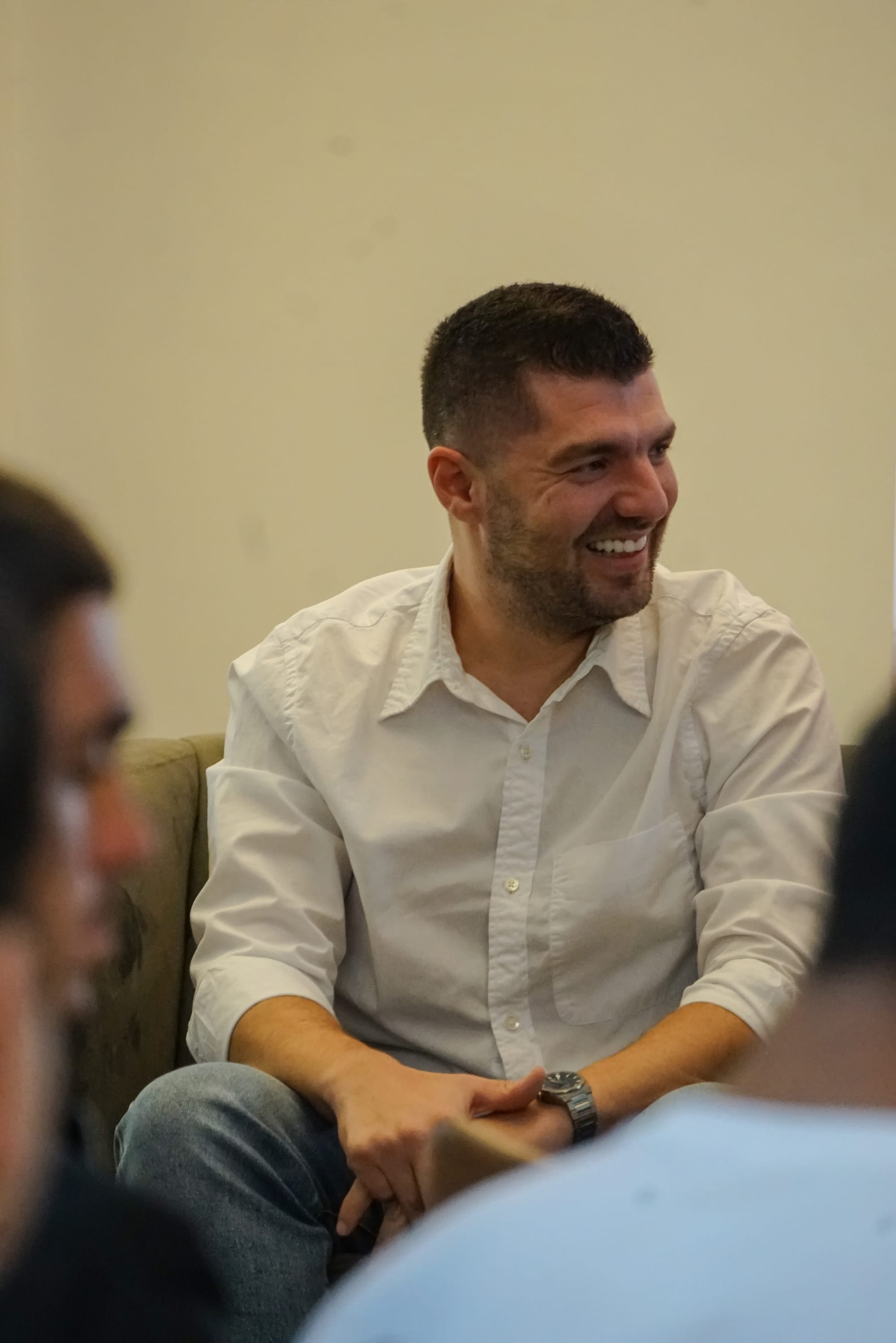
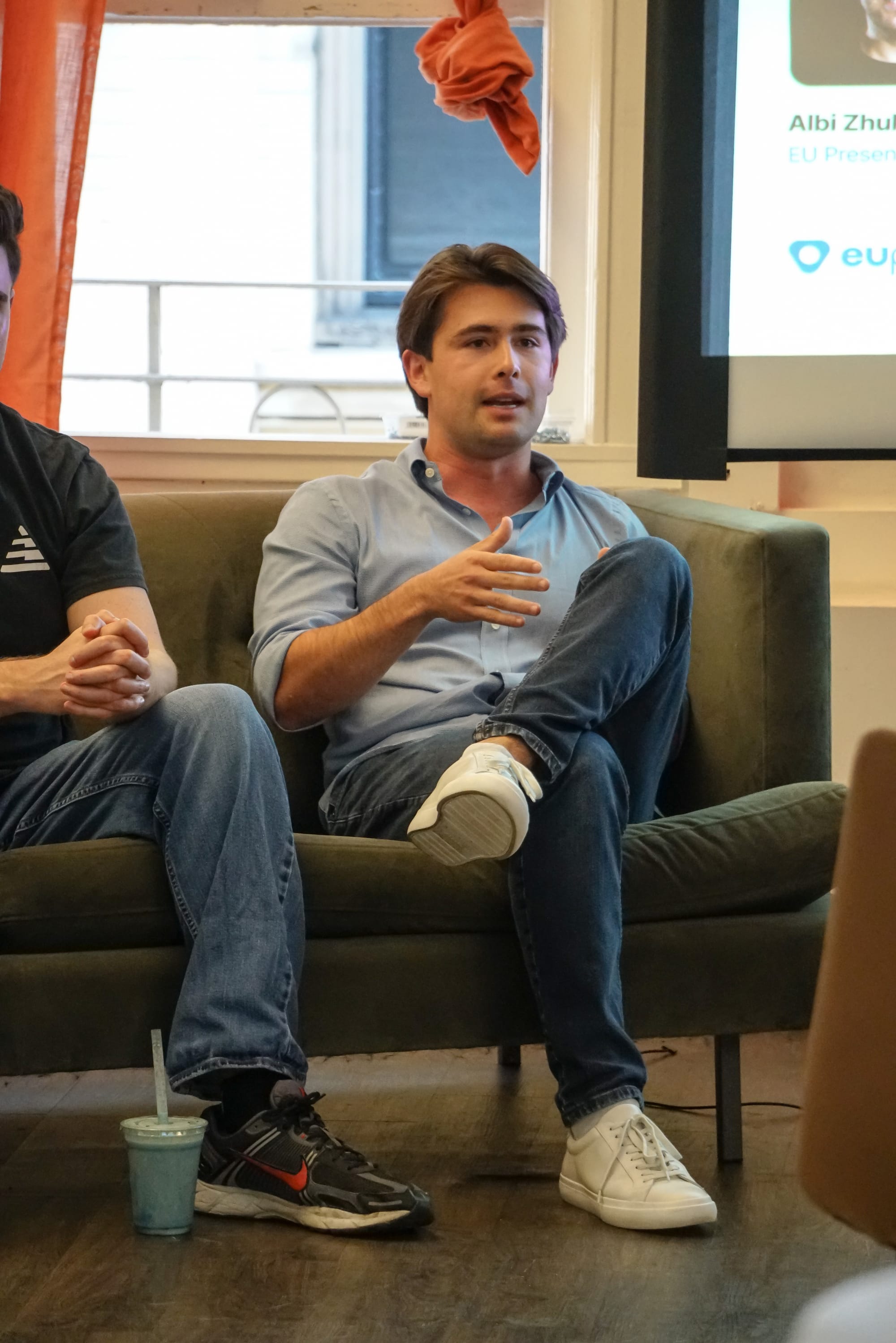
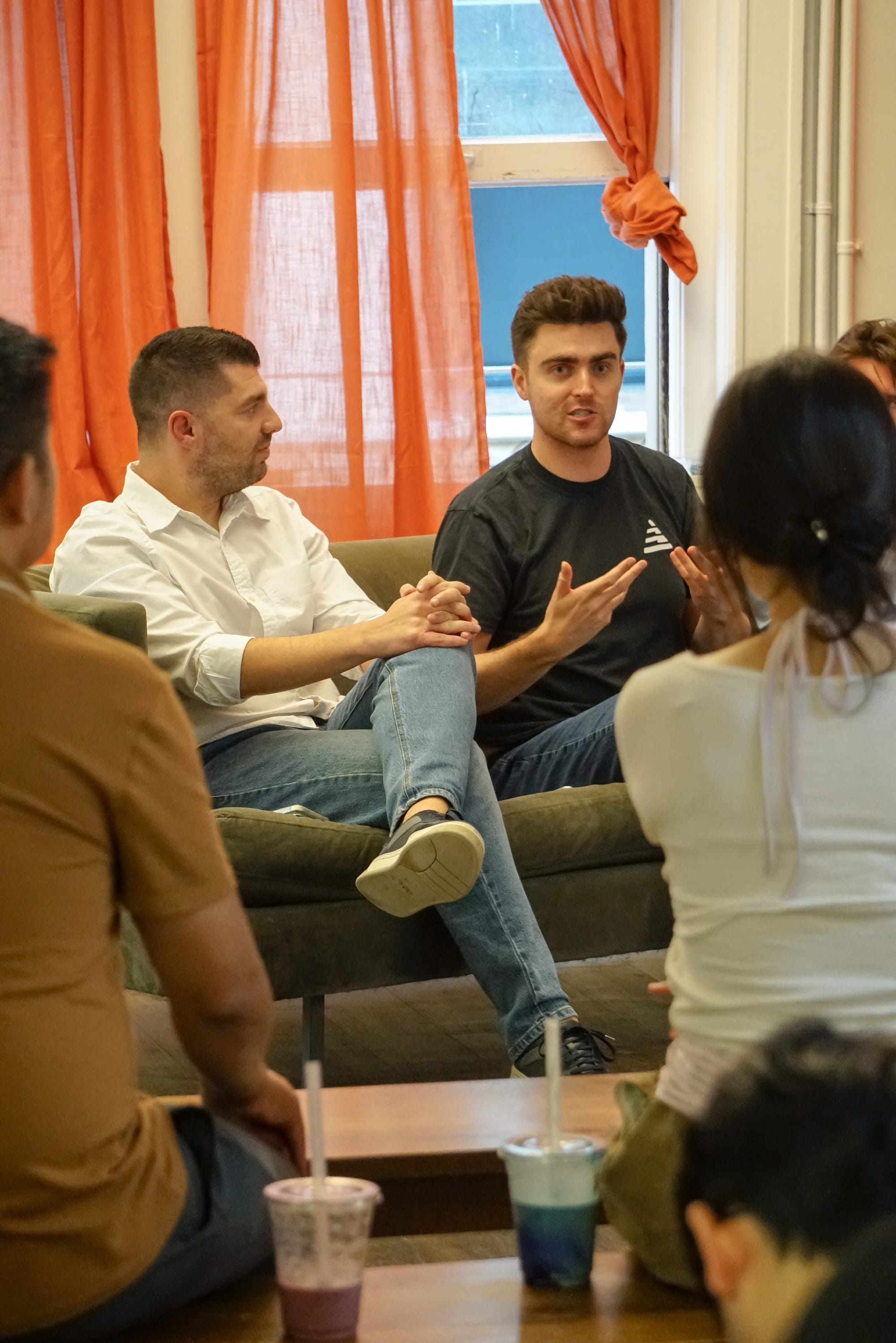
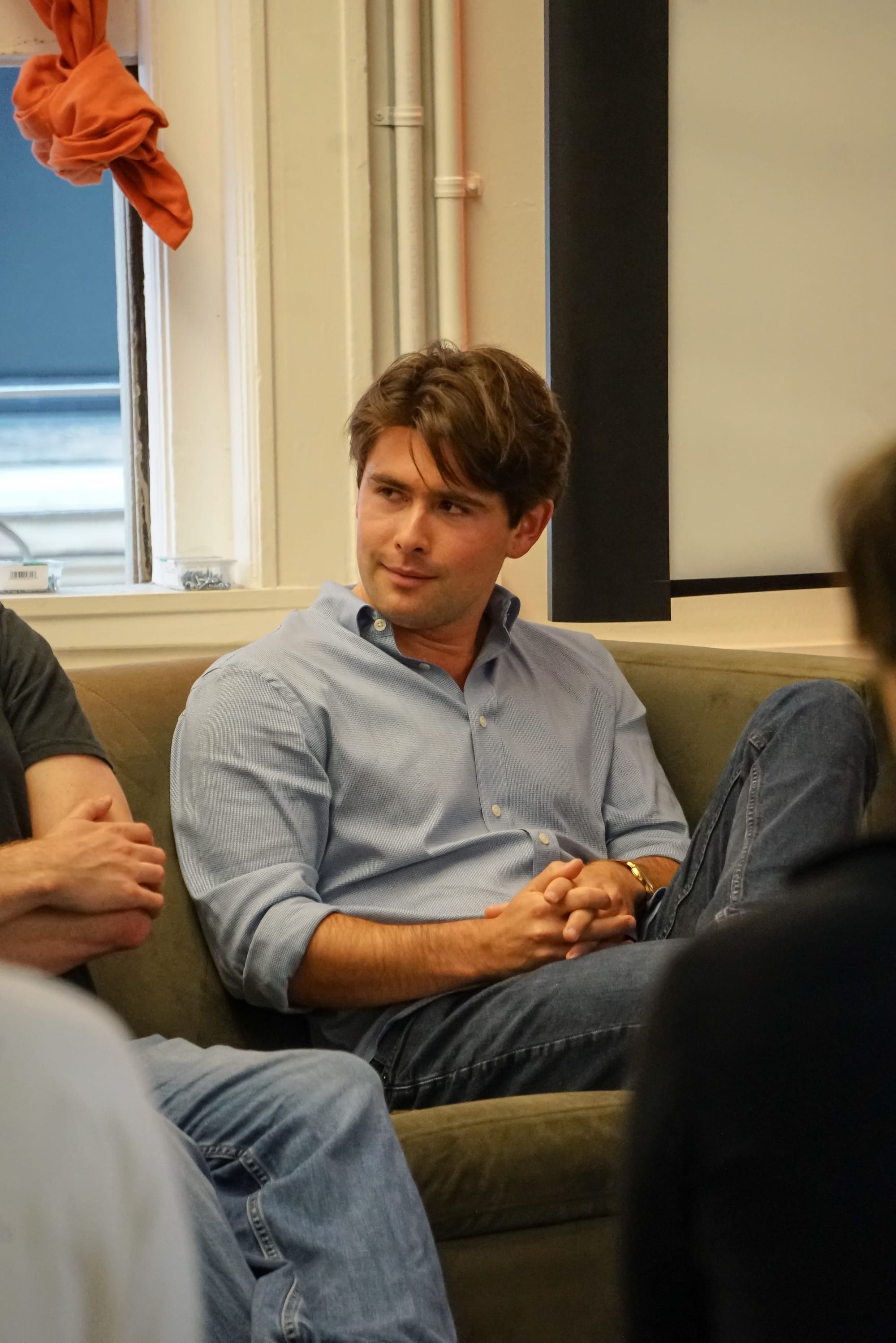
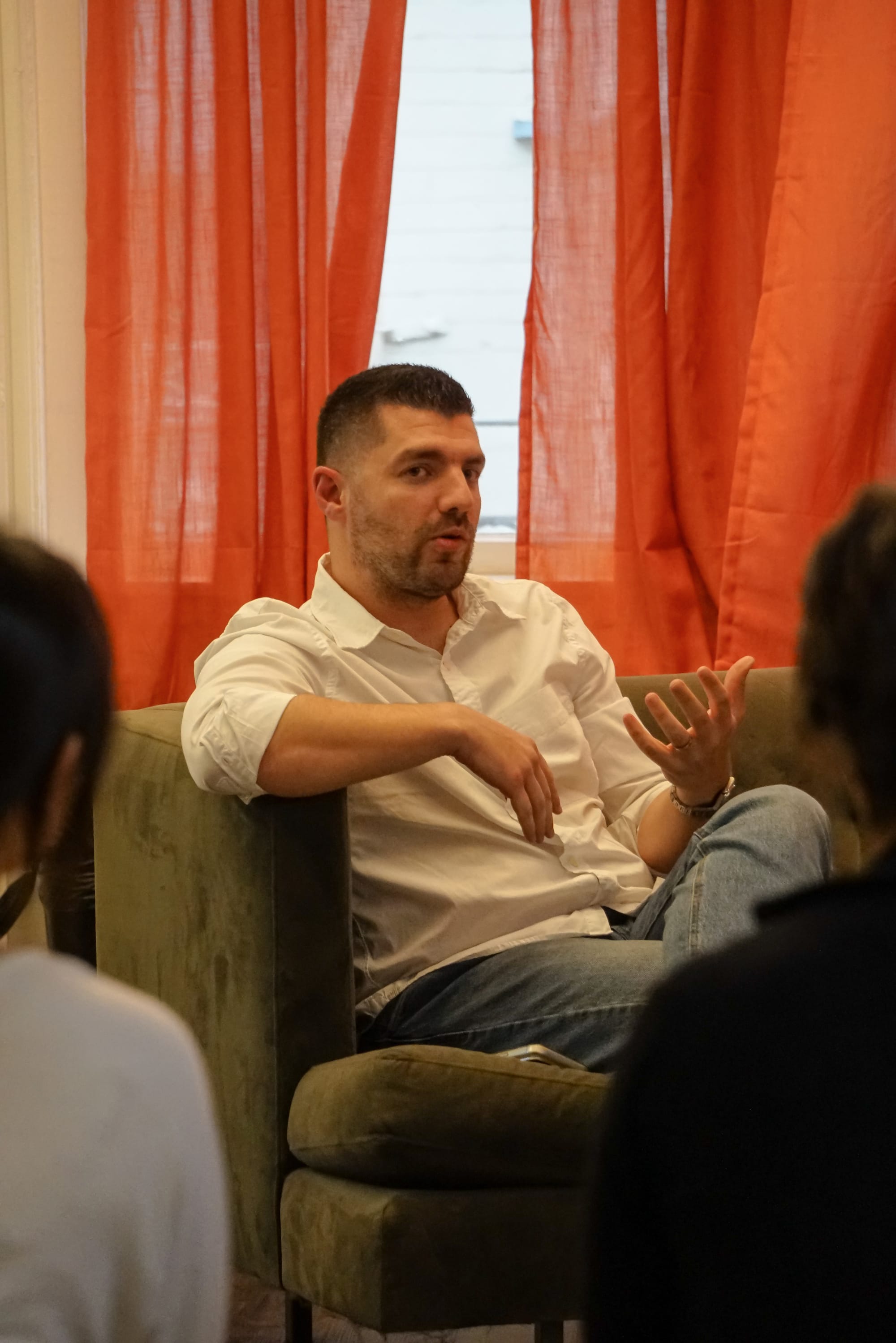
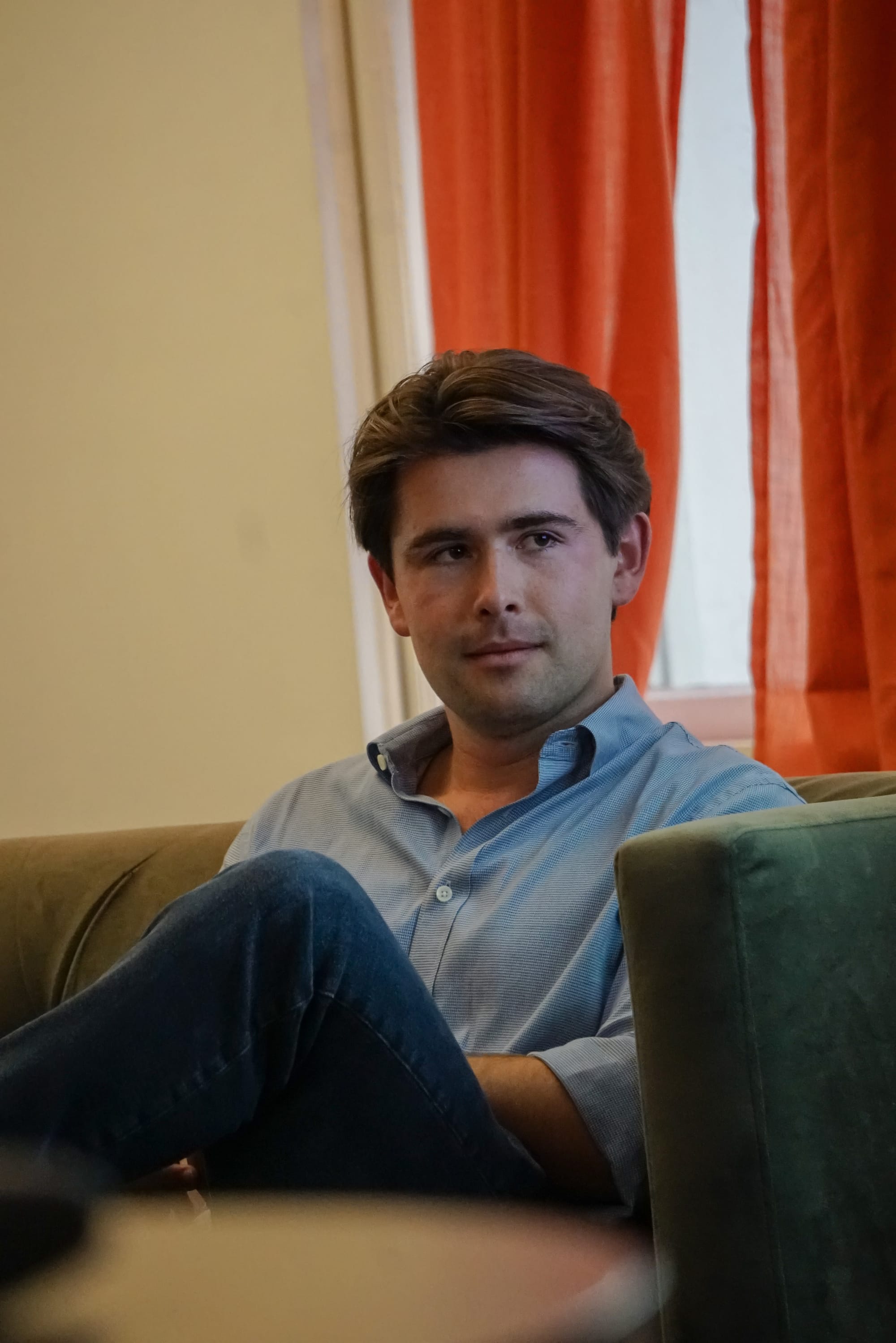
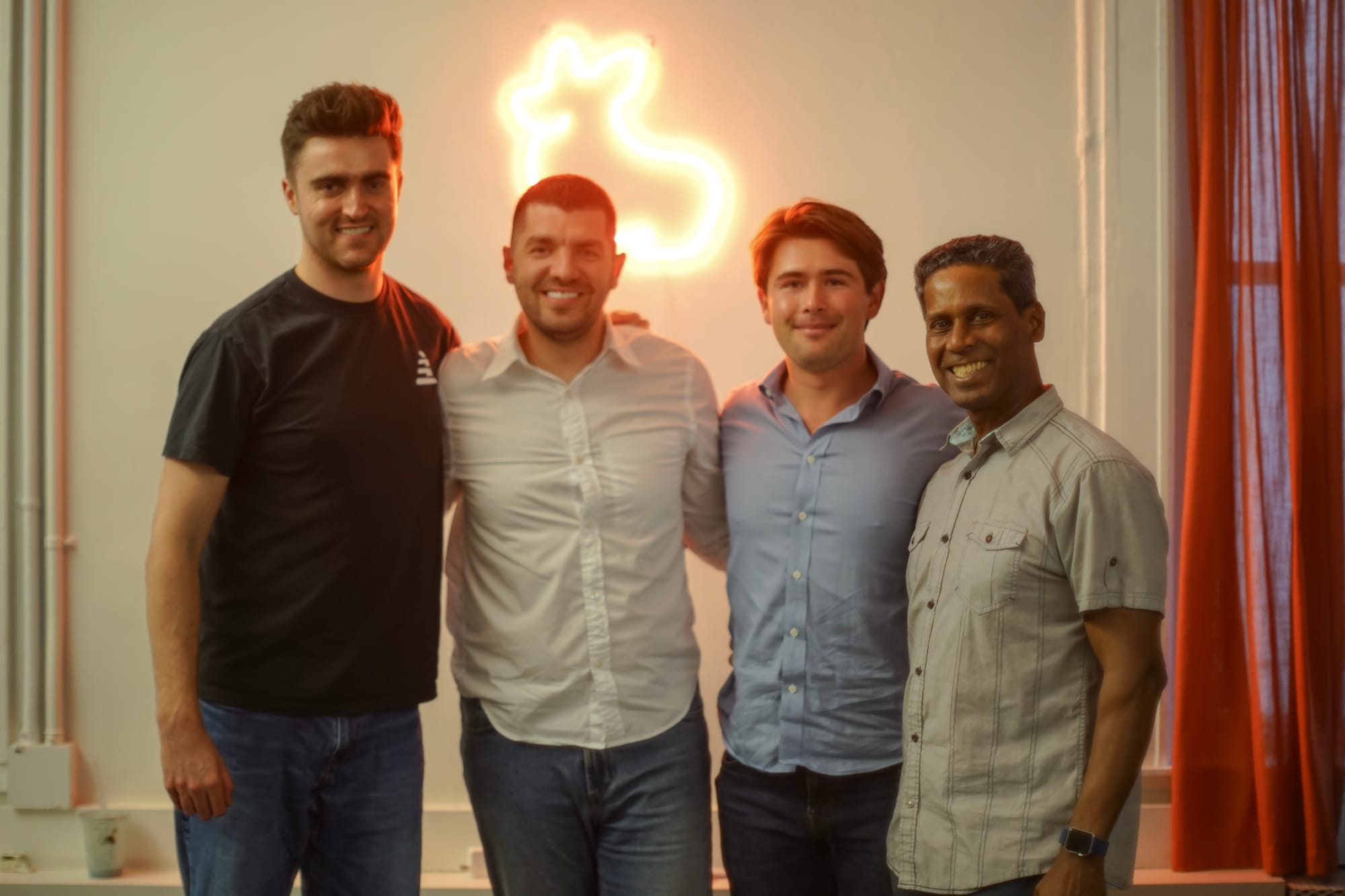
I was fortunate to bring together three great people for this conversation, while also joining the panel myself:
- Conor Brennan-Burke, Co-founder & CEO of Hyperspell.
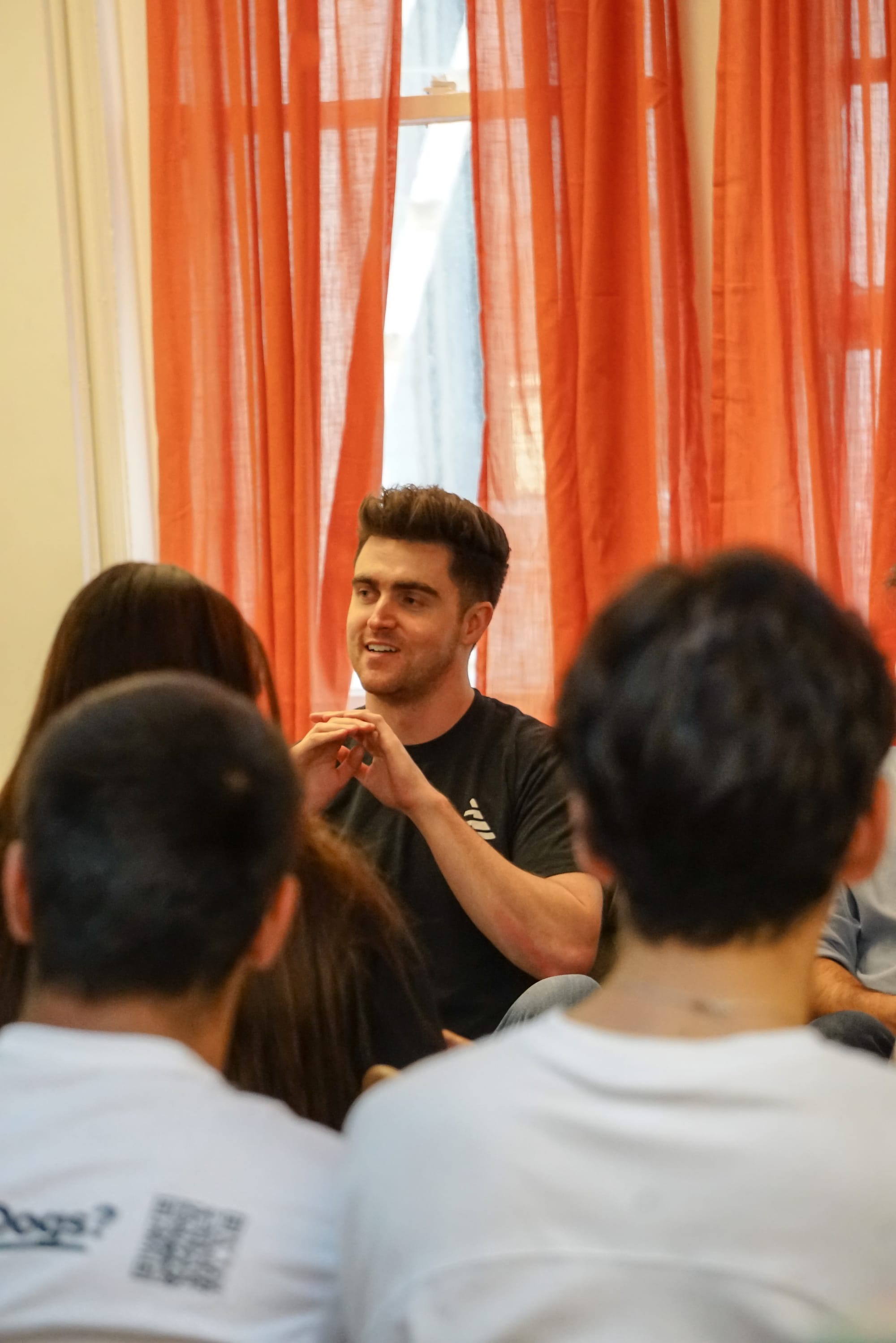
- Alex Harper, Head of Partnerships at Corgi.
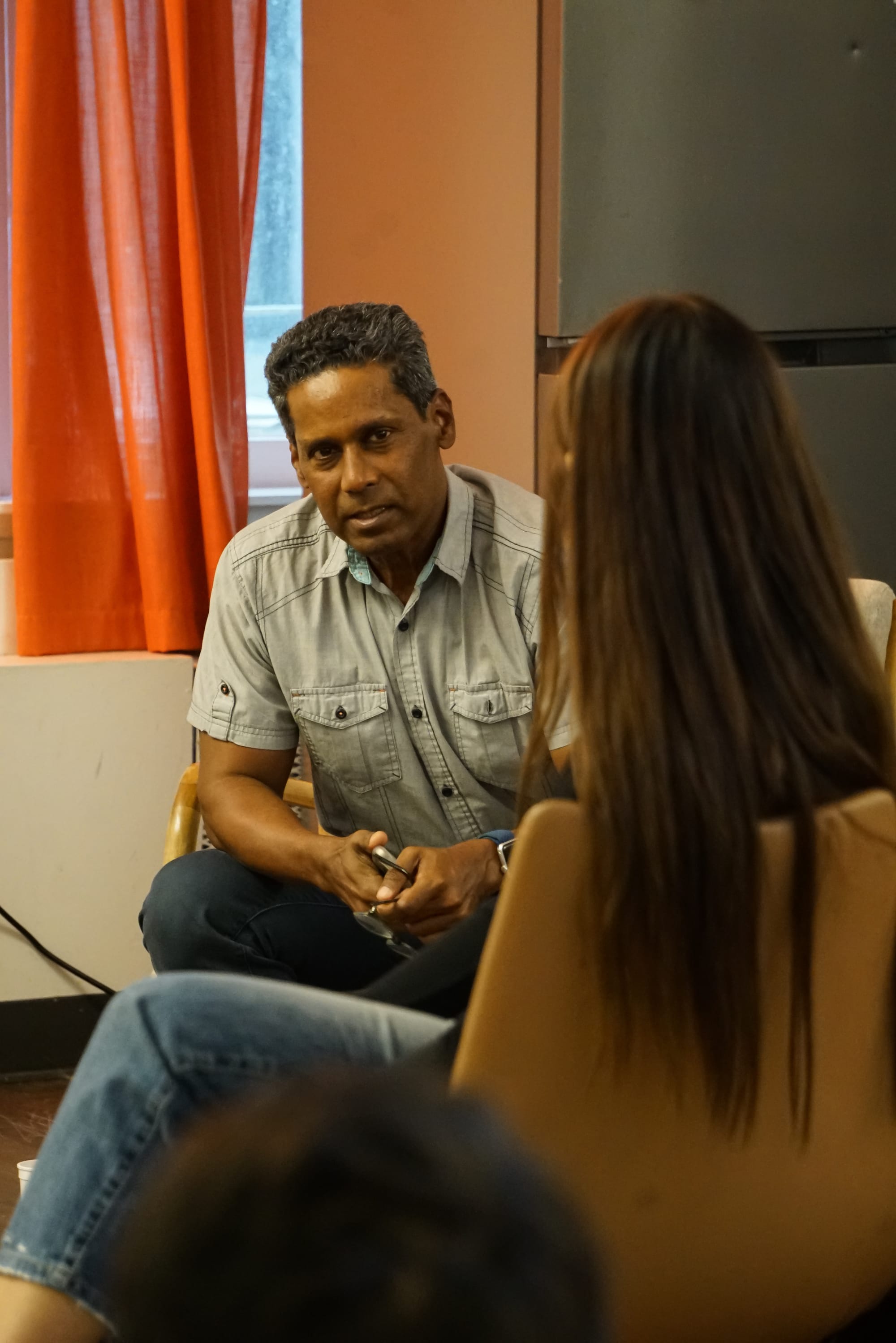
- Javed Maqsood, who moderated the discussion.
I particularly wanted Conor to join us, not only because Hyperspell is an EU Presence customer, but because of what he is building. Hyperspell is an exciting company, and I thought his perspective as a founder building and scaling a technology business would bring something different to the conversation.
Interestingly, before the event, I discovered that Hyperspell was also a Corgi customer.
That made his participation even more valuable.
Here was a founder who had firsthand experience working with both companies: EU Presence for compliance and European market access, and Corgi for insurance. Rather than discussing these topics purely from the perspective of service providers, we could hear directly from someone navigating these decisions while building a company.
Compliance isn't just about avoiding problems. It can unlock opportunities.
One of the most interesting points Conor made during the discussion was about enterprise customers.
Many early-stage founders see enterprise sales as a difficult process filled with security reviews, compliance requirements, insurance obligations, and procurement hurdles.
And they're right, it can be demanding. But there's another side to it.
Conor pointed out that when you are prepared to meet these requirements, you can find yourself competing in a less crowded market. Many startups simply aren't willing to go through the work required to become enterprise-ready.
That creates an opportunity.
While others focus exclusively on smaller customers, companies that invest in the right foundations can position themselves to pursue larger enterprise deals.
It's an interesting shift in perspective: compliance isn't necessarily just a cost of doing business. It can become a competitive advantage.
Another point Conor emphasized was the importance of knowing what not to build internally.
Founders are naturally inclined to build things themselves. But not every part of a business needs to be developed in-house. When something isn't part of your core competitive advantage, there is tremendous value in working with specialized providers who are among the best in their respective fields.
That's exactly how Hyperspell approached compliance and insurance, working with EU Presence and Corgi respectively.
I couldn't agree more.
As founders, we should be obsessed with building what makes our companies unique, not reinventing every piece of infrastructure required to operate them.
Why integrated infrastructure matters
The event also reinforced something I've been thinking about for a while as we continue building EU Presence.
There is a growing need for integrated providers.
Startups entering new markets don't want to manage ten different providers, ten different dashboards, and ten different relationships just to get their businesses operational.
They want solutions that work together.
Think about what a company needs when expanding into Europe: privacy and regulatory compliance, local representation, employment infrastructure, insurance, and potentially several other operational requirements depending on its business model.
These needs are interconnected, yet the market has traditionally approached them as separate problems.
I believe there is a significant opportunity for companies that can bring these pieces together into a more unified experience.
This is a big part of the direction we're pursuing with EU Presence: making European market access and operations simpler through one integrated platform.
The conversation during the event made me even more confident that we're moving in the right direction.
The value of bringing people together in person
Beyond the panel itself, one of my biggest takeaways was a reminder of how valuable in-person events can be.
We spend so much time building businesses through online meetings, email campaigns, LinkedIn, and other digital channels that it's easy to underestimate the value of simply being in a room with people.
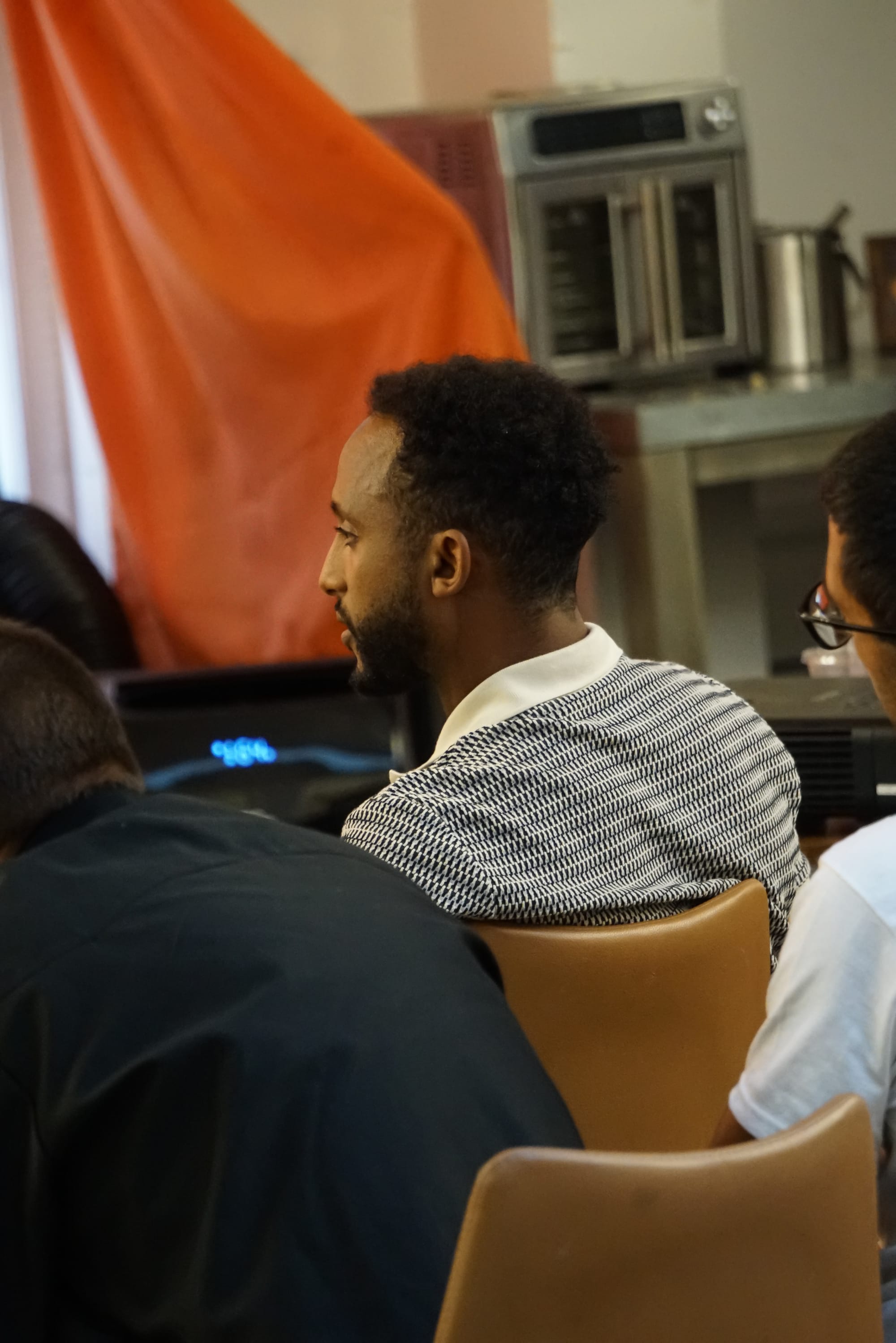
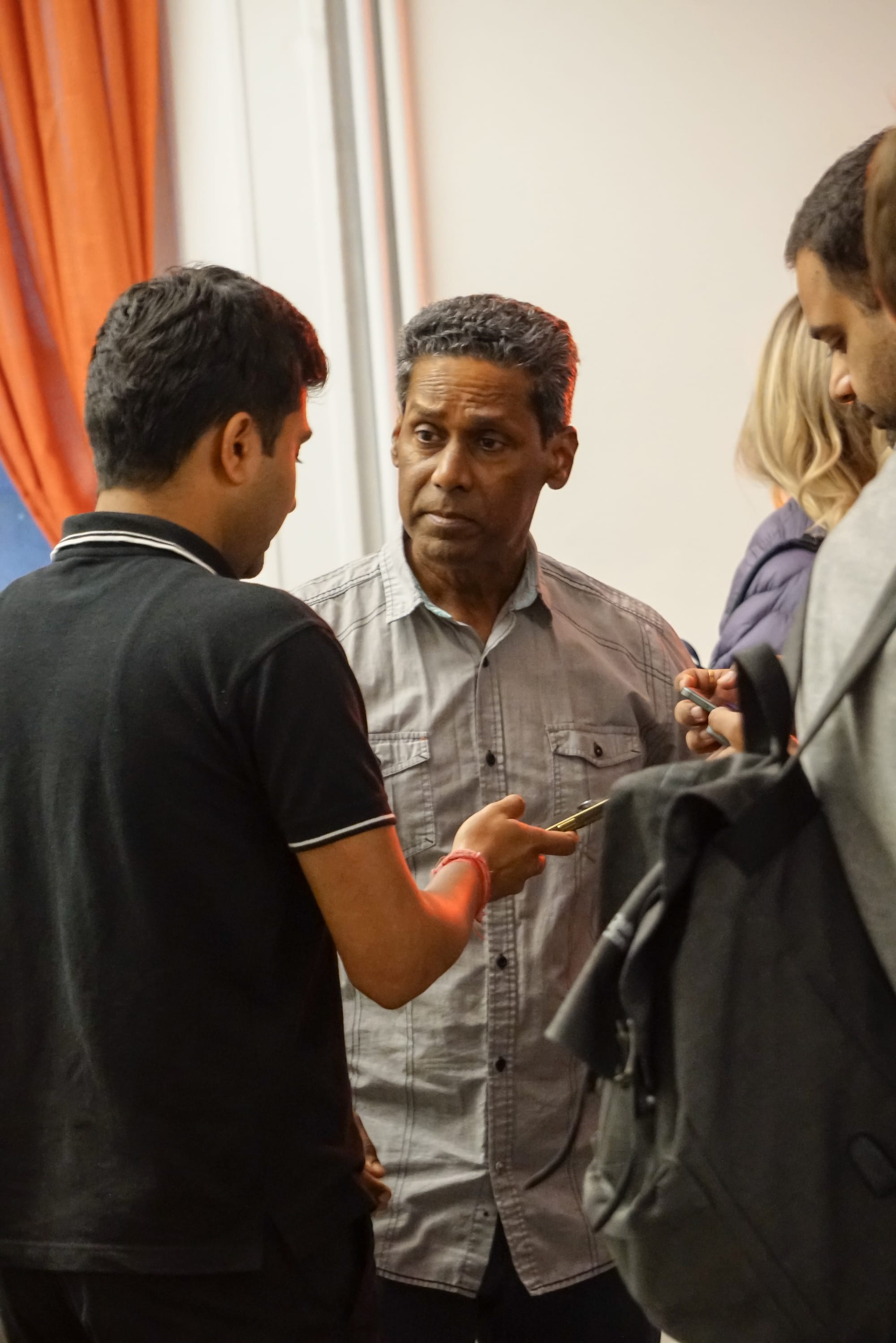
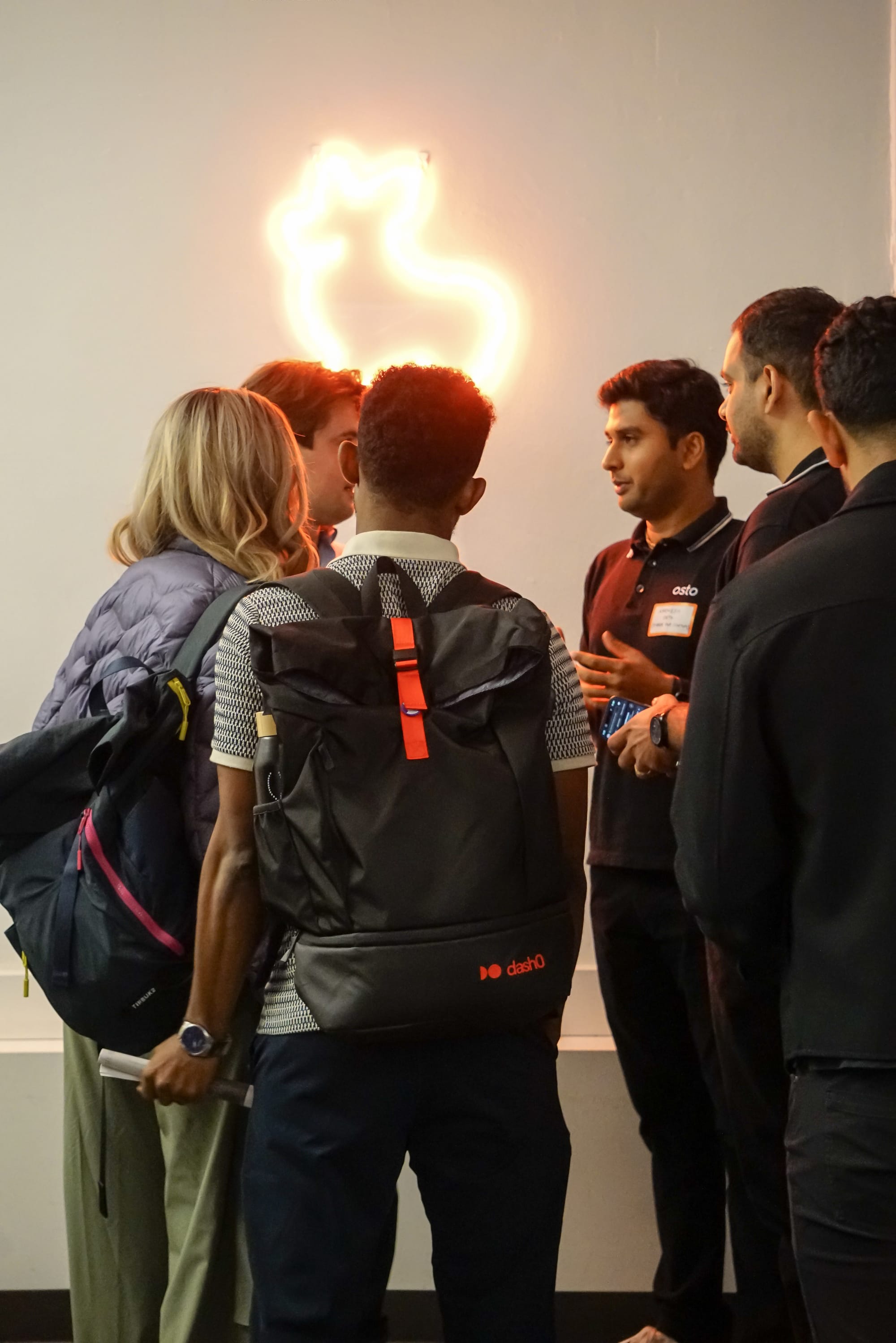
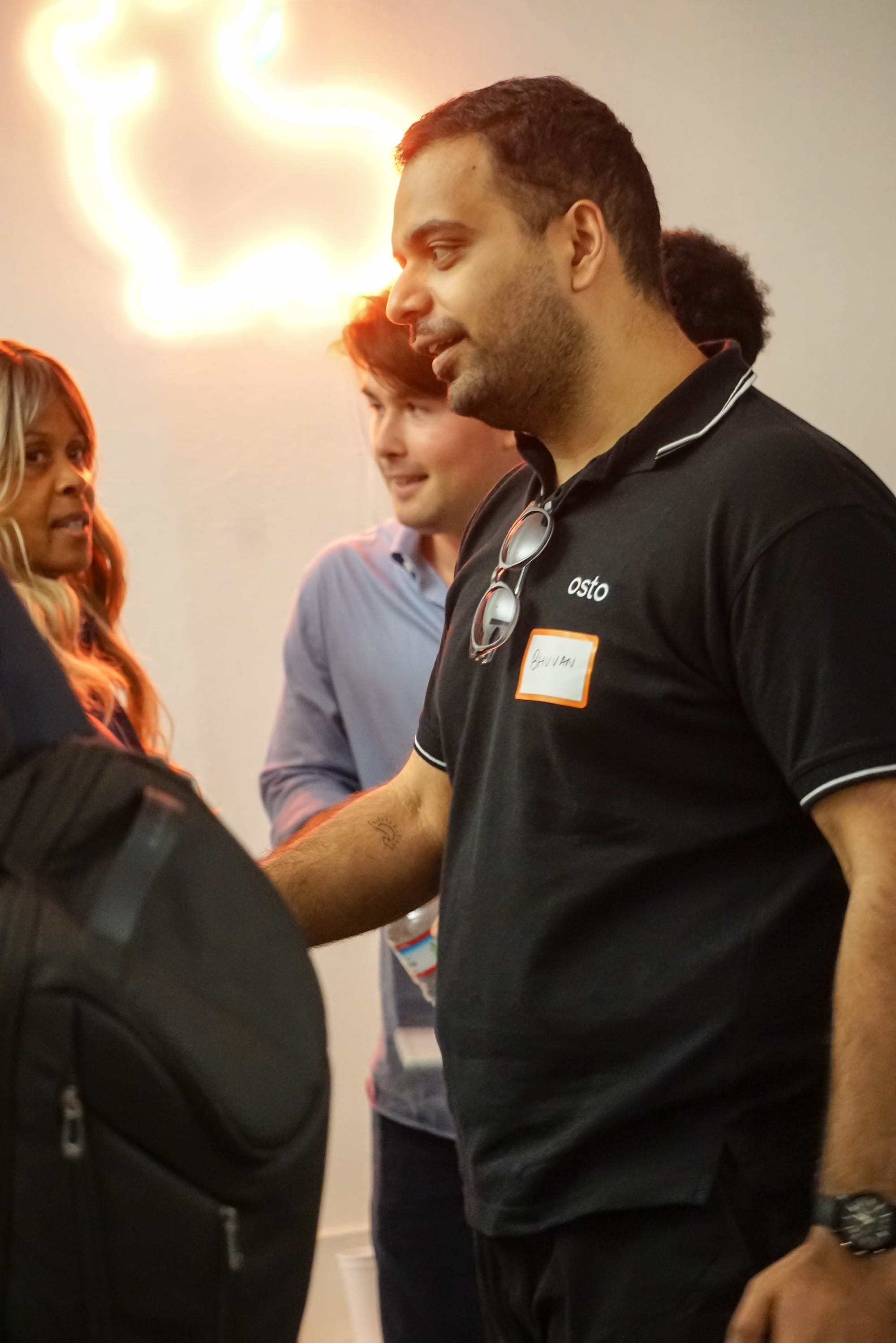
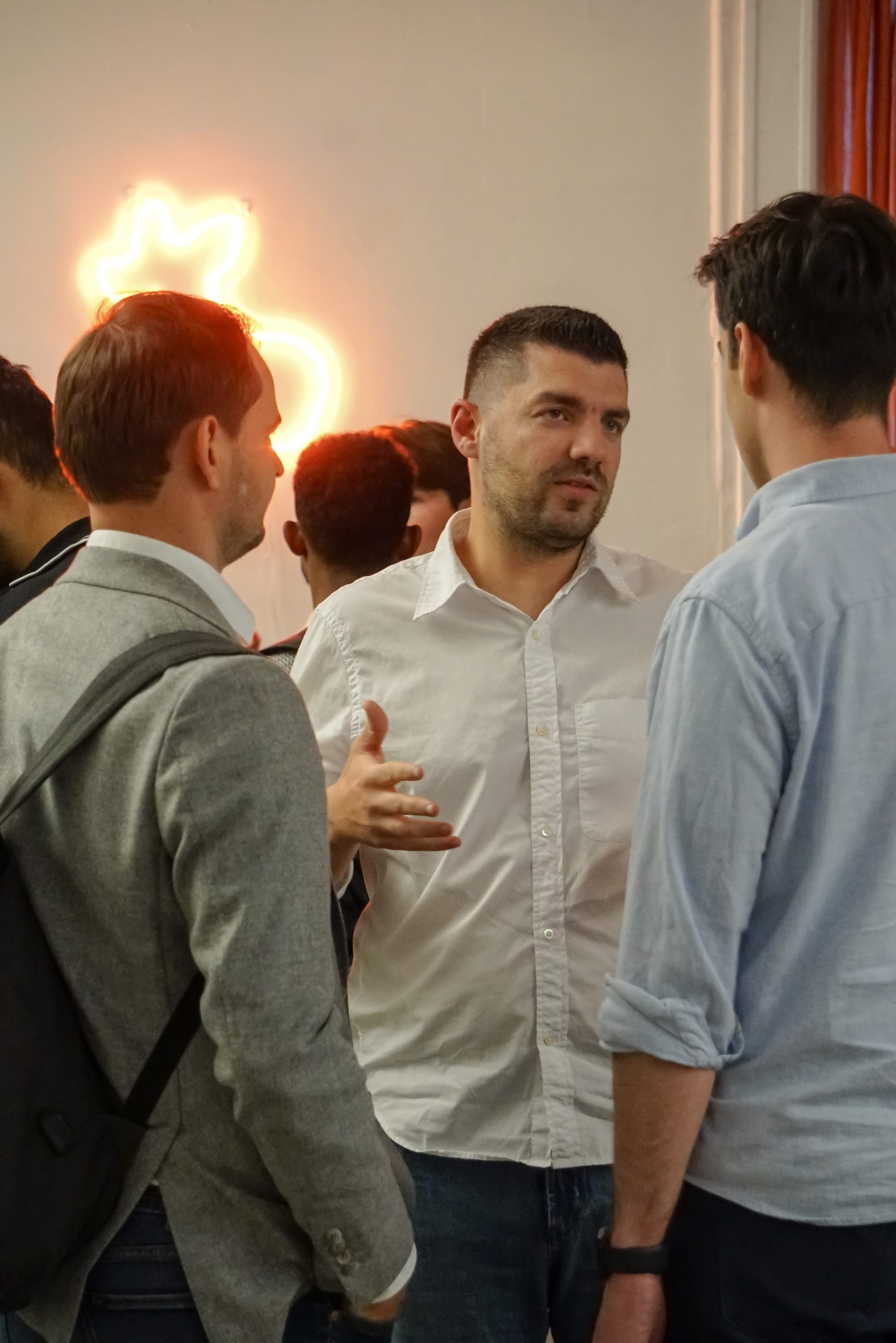
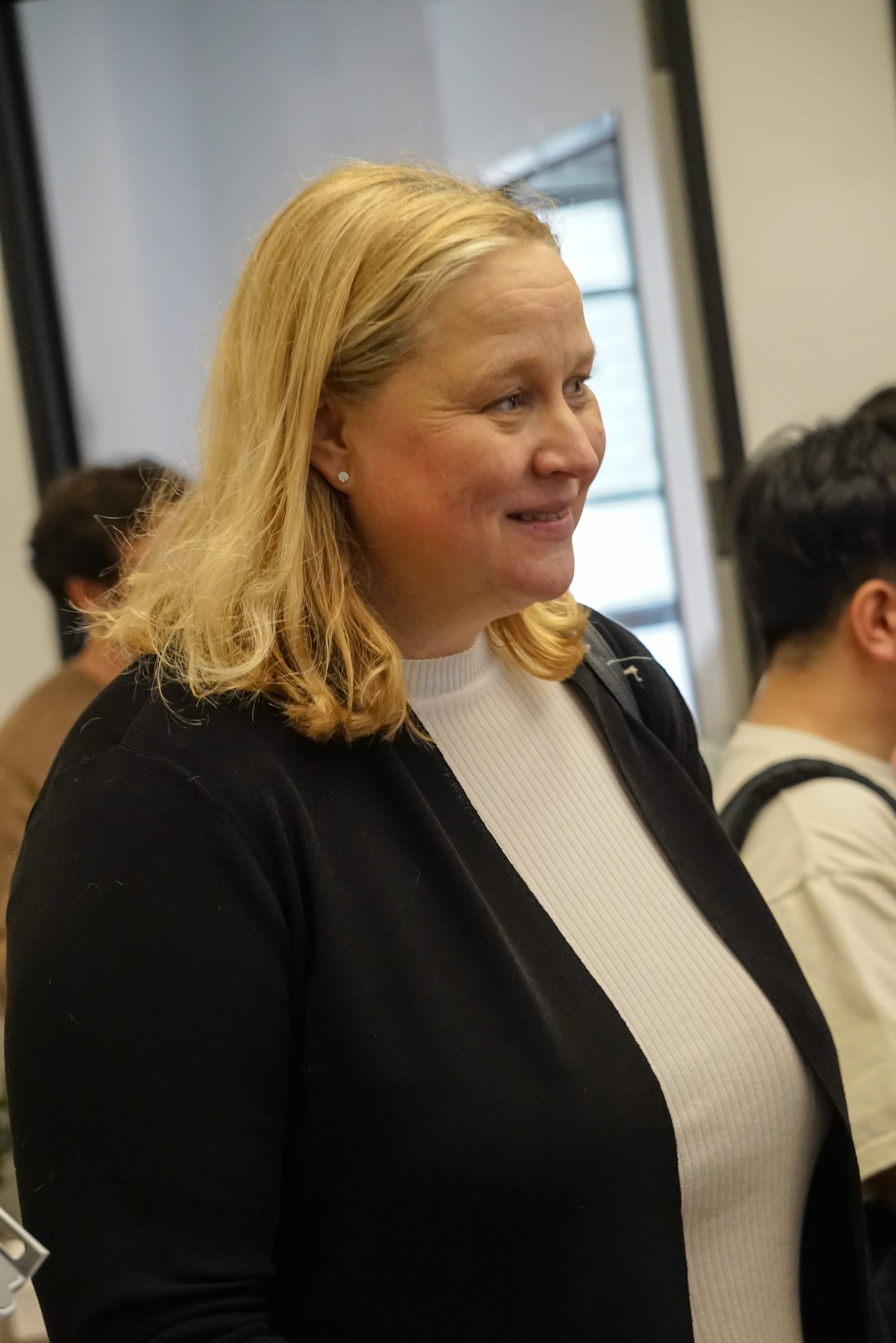
At the event, we had approximately 300 registrations and a fully booked room. More importantly, we had the opportunity to meet founders, operators, and potential customers, hear their questions, understand their challenges, and have conversations that go beyond what you typically get from a scheduled online meeting.
The Q&A was particularly good. Guests brought thoughtful questions and different perspectives, making the conversation much more engaging.
For a founder, these interactions are incredibly valuable. They give you a better understanding of what people actually need, where the pain points are, and how your product fits into their world.
I came away thinking that in-person events should be a much bigger part of how startups approach go-to-market.
And doing them with the right partners makes them even more effective.
The importance of choosing the right partners
I also learned something about organizing events.
The experience with Corgi was genuinely great. Their team made the entire process straightforward and helped ensure everything was in place.
That might sound like a small detail, but anyone who has organized an event knows how much coordination goes into making everything work.
The right partner makes a significant difference.
The same applies to the people on stage. Having Conor bring the founder's perspective, Alex contribute his experience in insurance and partnerships, me bringing the compliance and European market access perspective, and Javed guiding the discussion created a balance that made the conversation interesting.
Each of us approached the topic from a different angle, which is exactly what you want from a good panel. You don't want four people repeating the same talking points. You want different experiences, perspectives, and opinions coming together to create a conversation that gives the audience something meaningful to take away.
I'm grateful to all three for being part of it, and to everyone who joined us.
One of the outcomes: Startup Risk Stack
Beyond the conversations and connections, the event was also an opportunity to introduce something that EU Presence and Corgi have been working on together: the Startup Risk Stack.
If you look at how startups build their companies today, you'll find familiar concepts everywhere.
There's a Developer Stack, Marketing Stack, Sales Stack, Design Stack, and plenty of other specialized tools and infrastructure that help companies operate and grow.
But there's one important category that has largely been missing: a Risk Stack.
Every startup takes risks. That's part of building something new. But not every risk needs to be accepted, and many can be managed before they become bigger problems.
We believe compliance and insurance are two essential, complementary pieces of that equation.
Compliance helps prevent things from going wrong in the first place. Insurance protects your business when something does go wrong.
That's the thinking behind the Startup Risk Stack: bringing together two traditionally separate areas of risk management into one coordinated approach for startups.
For too long, founders have had to navigate these areas independently, working with different providers, managing separate relationships, and figuring out how everything fits together. We believe there should be a simpler way.
Just as companies rely on specialized tools for development, marketing, and sales, they should also have access to the right infrastructure to manage risk from the beginning.
The goal is to help founders spend less time worrying about the operational and regulatory risks surrounding their businesses, and more time building, selling, and scaling them.
That's why we decided to bring EU Presence and Corgi together. We believe the Startup Risk Stack should become a fundamental part of how modern startups are built.
This is only the beginning
This was my first event during San Francisco Tech Week, and it certainly won't be my last.
In fact, it made me want to do much more of this.
Next year, I plan to organize multiple events across different startup ecosystems, not just San Francisco Tech Week, but potentially LA Tech Week, NY Tech Week, and other gatherings where founders and builders come together.
There is something special about creating spaces where people can connect, exchange ideas, and learn from each other's experiences.
Building a company is already difficult enough. Having the right people, partners, and infrastructure around you can make a meaningful difference.
And sometimes, the best opportunities don't come from another online campaign or another investor meeting. They come from a conversation with someone you meet in person.
That's one of the things I'll take away from this year's SF Tech Week.
The Startup Risk Stack is our contribution to making the journey a little easier for founders.
Thank you to Corgi for making this happen, to Conor and Alex for sharing their perspectives, to Javed for moderating the conversation, and to everyone who joined us.
See you at the next one.